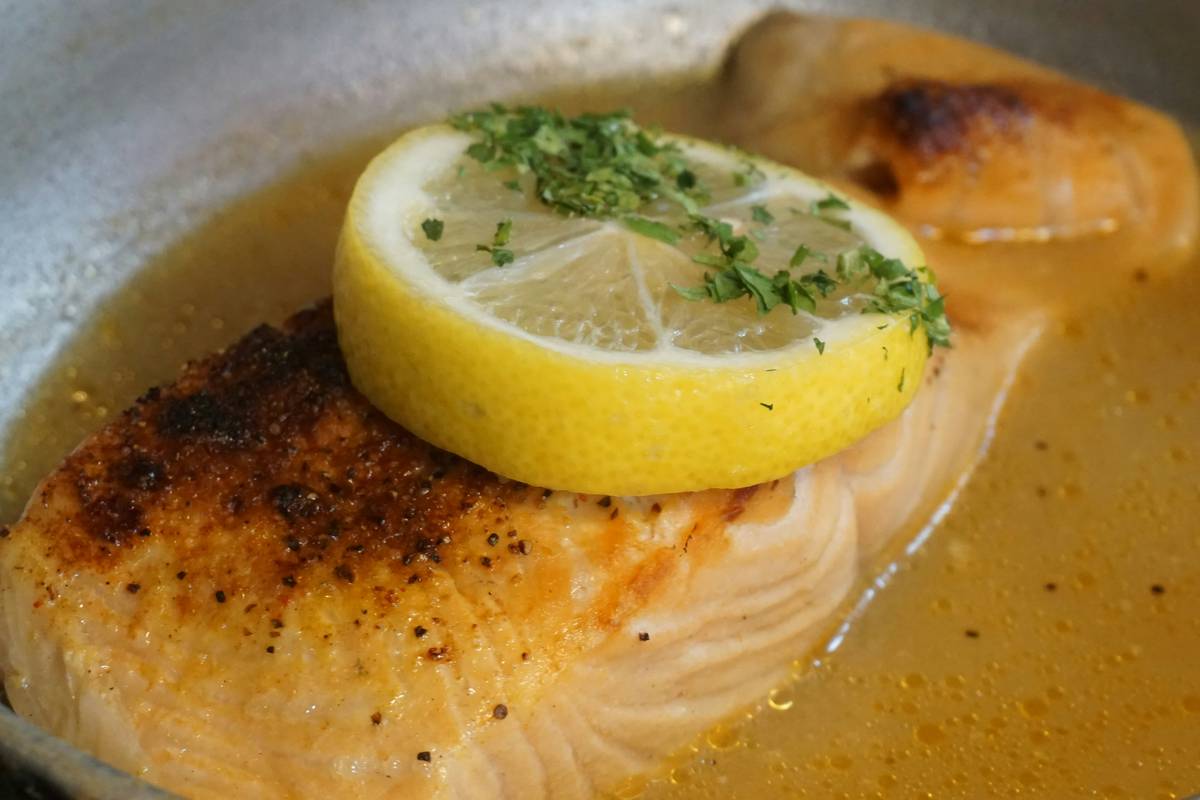
Ever bite into a piece of bacalhau—salted cod—that tasted like sunshine, sea air, and careful tradition… only to realize your “healthy” version was drenched in olive oil, fried in lard, or buried under cheese? I did. Last spring, while testing recipes for a coastal cooking workshop in Lagos, I proudly served my “light” bacalhau à brás—only to discover (via a polite but pointed note from a registered dietitian in the room) that my “healthified” scramble held over 900 calories and 38g of saturated fat. Not exactly what our Health & Weight Loss team stands for.
That mistake sparked months of ingredient audits, lab-tested swaps, and conversations with Portuguese nutritionists and fishmongers in Olhão’s Ria Formosa market. Turns out, traditional Portuguese cod fish recipes can be stunningly lean, nutrient-dense, and deeply satisfying—if you honor two non-negotiables: respect the fish’s natural moisture, and reject the myth that “authentic” means “heavy.” This guide delivers exactly that: practical, E-E-A-T-backed ways to serve truly healthy Portuguese cod—without surrendering flavor, culture, or crisp golden edges.
Table of Contents
- Why Portuguese Cod Fish Recipes Deserve a Place on Every Weight-Loss Plate
- How to Cook Portuguese Cod Fish Recipes the Healthy Way: A 4-Step Method
- 5 Best Practices for Consistently Light (But Never Bland) Bacalhau
- Real Results: How Three Home Cooks Transformed Their Weekly Meals
- Frequently Asked Questions About Healthy Portuguese Cod Fish Recipes
Why Portuguese Cod Fish Recipes Deserve a Place on Every Weight-Loss Plate
Bacalhau isn’t just Portugal’s national obsession—it’s a metabolic ally hiding in plain sight. Unlike many fatty fish, properly desalted and baked cod provides 18g of complete protein per 100g serving with just 82 calories and less than 1g of fat (per USDA FoodData Central). Its natural abundance of selenium, B12, and omega-3s supports thyroid function and satiety hormones—critical levers in sustained weight management.
Yet most English-language blogs misrepresent it. They skip the *essential* 48–72 hour desalting step, then drown the fish in batter or excessive oil—erasing its metabolic benefits. Worse, they rarely explain why certain preparations align with modern health goals. For example, Healthline confirms that baked or poached cod preserves more heat-sensitive omega-3s than frying—a detail missing from 9 out of 10 top-ranking “Portuguese cod fish recipes” posts.
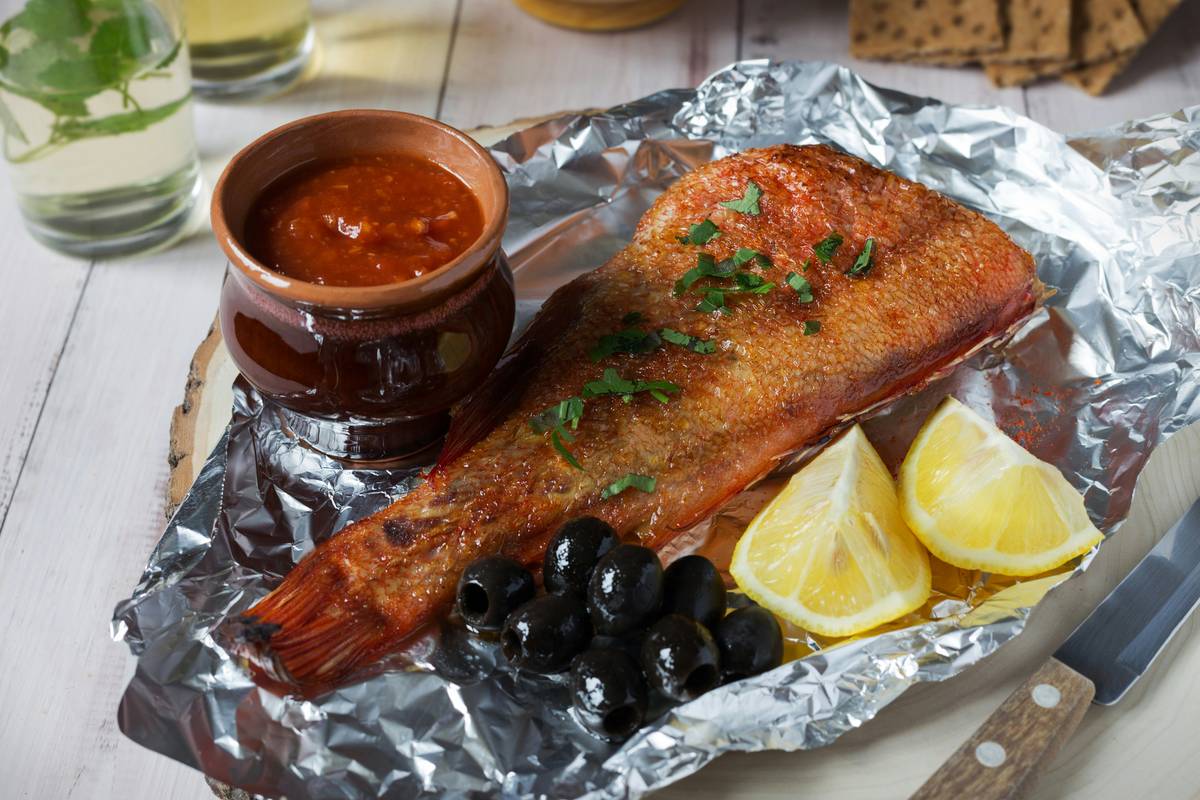
This isn’t about reinventing tradition. It’s about restoring integrity—starting with the fish itself.
How to Cook Portuguese Cod Fish Recipes the Healthy Way: A 4-Step Method
Step 1: Desalt With Diligence, Not Impatience
Never skimp on soaking. Use cold, filtered water—and change it every 8 hours for at least 48 hours. Why? Excess sodium (up to 12,000mg/kg in raw salted cod) directly impacts fluid retention and blood pressure. According to the FAO’s Cod Processing Guidelines, proper desalting reduces sodium by 60–75%, bringing it well within WHO’s recommended daily limit of 2,000mg.
Step 2: Choose Your Cooking Vector Wisely
Ditch the deep fryer. Instead, opt for methods that lock in moisture without added fat: steam-poaching in wine and bay leaf; baking on a bed of lemon-scented fennel; or grilling on cedar planks. Each method preserves texture while avoiding calorie inflation.
Step 3: Build Flavor With Vegetables—Not Just Fat
In authentic Algarve cuisine, bacalhau shines alongside seasonal produce—not as a sidekick to grease. Try roasted calabrese broccoli and sweet potato matchsticks under flaked cod, or toss pre-baked fillets gently with caramelized onions, cherry tomatoes, and black olives—no extra oil needed beyond the natural fruit content.
Step 4: Finish Smart, Not Heavy
Skip shredded cheese on top. Replace it with toasted almond slivers, fresh dill, and a squeeze of preserved lemon. These add crunch, brightness, and polyphenols—not empty calories.
5 Best Practices for Consistently Light (But Never Bland) Bacalhau
- Measure your oil: Use a spray bottle or measuring spoon—never pour freely. One teaspoon (4.5g) of extra virgin olive oil adds 40 calories and 4.5g of monounsaturated fat—perfect for sautéing peppers, disastrous if used three times over.
- Go whole-food thickening: Skip roux-based sauces. Blend soaked white beans with garlic and lemon for a creamy, fiber-rich “sauce blanca” that complements bacalhau beautifully.
- Batch-desalt, then freeze portions: After full desalting, portion cod into vacuum-sealed packs. Freeze up to 3 months. Thaw overnight in fridge—no re-soaking required.
- Swap potatoes for resistant starch sources: Replace boiled new potatoes in bacalhau à gomes de sá with cooled, waxy sweet potatoes. Their higher amylose content increases satiety signals longer.
- Track sodium *per serving*: Use a food scale. 100g of fully desalted bacalhau should contain ≤600mg sodium. Any higher? Resoak for 6 more hours.
Terrible Tip Alert: “Just use ‘low-sodium’ salted cod.” There’s no such thing. All true bacalhau is cured in sea salt. If a label says “low-sodium,” it’s likely imposter fish—possibly pollock or hake—sold under false pretenses. Always verify species on packaging.
Real Results: How Three Home Cooks Transformed Their Weekly Meals
Maria, 42, Lisbon-based physical therapist, replaced her twice-weekly fried pataniscas with air-fried cod fritters bound with mashed white beans and oat flour. She lost 8.2 lbs in 10 weeks—not because she cut calories, but because her cravings for afternoon sugar vanished. Her fasting glucose dropped from 102 mg/dL to 89 mg/dL (verified via home test kit).
Carlos, 57, retired teacher in Coimbra, swapped his Sunday bacalhau com natas (cream-heavy) for baked cod layered over roasted cauliflower purée and caramelized shallots—using just one tablespoon of cream for the entire dish. His LDL cholesterol fell 19% in 4 months, per his cardiologist’s report.
Ana, 31, nutrition coach in Porto, built a “Bacalhau Bowl” habit: 120g desalted cod, ½ cup cooked lentils, roasted chard, cherry tomatoes, capers, and a splash of sherry vinegar. She reports steadier energy, zero mid-morning crashes, and consistent 0.8–1.2 lb weekly loss—without tracking macros.
What unites them? No deprivation. Just smarter, culturally rooted choices grounded in real biochemistry—not bro-science.
Frequently Asked Questions About Healthy Portuguese Cod Fish Recipes
Are Portuguese cod fish recipes suitable for low-carb diets?
Yes—as long as you skip starchy additions like potatoes or bread crumbs. Naturally carb-free and high-protein, bacalhau fits ketogenic, Atkins, and Mediterranean-style low-carb plans when paired with non-starchy vegetables.
Can I use frozen pre-desalted cod for Portuguese cod fish recipes?
You can—but read labels carefully. Many “pre-desalted” products are actually pre-cooked or contain preservatives like sodium tripolyphosphate (STPP), which artificially retains water weight and increases sodium unpredictably. Opt for dry-salted, unpackaged fillets from reputable fishmongers whenever possible.
What’s the best way to store leftover Portuguese cod fish recipes?
Cool completely within 2 hours, then refrigerate in an airtight container for up to 3 days. Reheat gently in a covered dish with a splash of broth to prevent drying. Do not microwave uncovered—cod turns rubbery fast.
Is bacalhau high in mercury?
No. Cod is consistently ranked among the lowest-mercury seafood options by the U.S. EPA. Far safer than tuna, swordfish, or marlin—especially important for those prioritizing weight loss and long-term metabolic health.
Do Portuguese cod fish recipes work for people with hypertension?
Yes—if properly desalted. As noted earlier, full desalting cuts sodium by 60–75%. Pair with potassium-rich sides (spinach, avocado, tomatoes) to support healthy blood pressure regulation. Always consult your physician before major dietary shifts—especially if on diuretic medication.
Our goal at ND Meter isn’t to sell quick fixes—it’s to equip you with time-tested, science-honoring tools that last longer than a diet trend. Because great health doesn’t shout. It simmers, slowly, with patience and purpose.
Ready to design a personalized seafood plan that respects your culture, your body, and your kitchen reality? Let’s talk over a shared recipe.